For the past couple weeks I’ve had this concept in my head that originated from a term I coined:
Faitheist (and Faitheism by extension).
Apparently this is a thing. Over at the Philosophy Portal there is a course offered on the topic of Christian Atheism which features lectures by Slavoj Žižek, Peter Rollins, and others. And after the last decade exploring Radical Theology, Death of God theology, and the prison letters of Dietrich Bonhoeffer, I can say with confidence that there is something to this strange bedfellowship of faith and atheism.
I got the idea for the term while reading Caputo, and specifically his insistence on distinguishing sharply between faith (foi) and beliefs (croyance). For Caputo, following Derrida, faith is a posture, a way of being in the world that is more restless, risky, and open-ended than just intellectually believing in stuff.
“… faith and hope and love are risky business and not for the faint of heart. Derrida’s religion turns on an underlying faith (foi) that cannot be contracted to a determinate belief, a croyance, be that ‘belief’ a confessional religion or a professional anti-religion, a theism or an atheism.”
This harkens us back to my distinction between Exile and Empire (shorthand for weak- and strong theology, respectively). Caputo considers “faith” as belonging to the category of weak theology, whereas “beliefs” in concrete doctrinal propositions are reminiscent of strong, imperial theology.
“[We must distinguish] between croyance and foi, between a position taken and a deeper affirmation, between a judgment made (doxa) and a deeper, more decisive trust (pistis).”
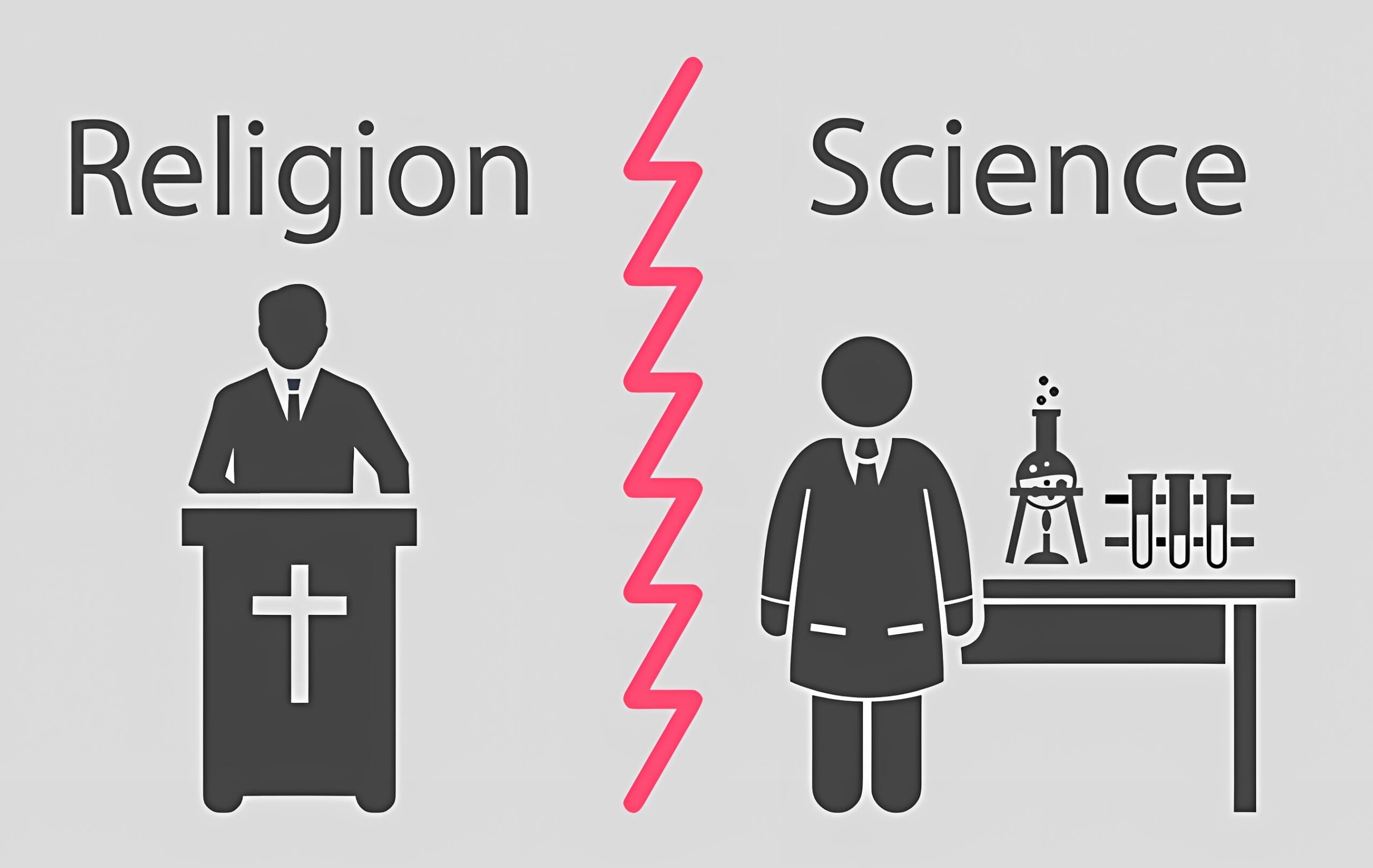
What I find interesting is Caputo’s insistence on relegating both theism and atheism to the category of strong theology, to the category of croyance, to the category of Empire. This calls to mind his insistence that the so-called naturalists and supernaturalists (think Sam Harris and N.T. Wright) are just two sides of the same coin. Sure, Harris and Wright are different like heads and tails are different, but they both appear on the same imperial currency.
(Meanwhile, Exile politely refuses to play this game of thrones.)
A healthy suspicion of the imperial claims on the part of both the “Big Strong Men of Reason” and the “Big Strong Men of Theology” (hard atheism as well as hard theism) is what Exile is all about. But giving side-eye to haughty and high-falootin’ pronouncements about what God is really like (as if) is in no way inconsistent with faith, but it may very well be inconsistent with certain confessional beliefs (there’s that foi/croyance distinction again).
Is religion solely intended for those with the philosophical acumen to parse such metaphysical concepts as being, nature, personhood, and hypostasis, or is it more user-friendly? Last I checked before Christianity was called “Christianity,” it was simply called “the Way.”